
Marion Neighbors by Block Source
For Marion neighbors, each source answers a smaller question. The county map establishes which parcels meet the focal parcel. The Auditor supplies the property card for each PIN. A recorded document explains a transfer, while a Library volume can give historic address context. The Board of Elections route is for an identified voter, not a street-wide roster. Keeping those limits in view prevents an owner name or old entry from being presented as a current household list.
| Source | What It Shows About a Block | Access |
|---|---|---|
| Auditor GIS parcel map | Contiguous parcel polygons, roads, boundaries, and GIS geography | Pan and click adjacent parcels; it does not enumerate people |
| Marion County Auditor | Owner fields, parcel and legal details, and sales for an identified PIN | Search by parcel/PIN; owner may not occupy the site |
| Marion County Recorder | Recorded owner and party chain for one parcel | Match legal description; the index is not a street browse tool |
| Library directory or phonebook | Historic address entries and sometimes business or resident detail | Inspect the relevant volume; years and format vary |
| Board of Elections | Selected voter's public lookup data and inspectable precinct lists | No unrestricted street browsing; protected addresses are excluded |
| City permits and zoning | Certified-address project or use trail | Request by Certified Address or PID; no online ledger was found |
Recorded ownership is not proof of occupancy. A tax mailing address can belong to a trustee, agent, business, post office box, or another property. Likewise, a directory entry may apply only to the date and arrangement of that particular volume. The best block research records its source, date, parcel identifier, and limitation beside each finding.
Map Marion Neighbor Parcels
The Marion County Auditor GIS map is the starting point for the immediate block. Search with the exact address form, then pan and click the parcel polygons immediately next to the focal parcel. The City's zoning instructions use a house number plus part of the street name, followed by Layer List, Additional Layers, and Zoning. The county's supporting parcel service documents parcel boundaries, roads, city and village corporations, townships, hydrology, and survey systems.
The map identifies land relationships, not a list of nearby people. A street can cross different geographic layers, and a parcel line can be more useful than a street name when checking the immediate neighbors around a Marion address.
- Locate the focal address on the Auditor GIS map and confirm its parcel polygon.
- Click each adjoining polygon and save the PIN before moving to the next parcel.
- Return every adjacent PIN to the Auditor property search for its property-card details.
- Preserve the situs address, legal description, lot or subdivision, transfer clue, and owner field for each parcel.
- Use the Recorder only when a dated ownership or legal-description trail is needed for one identified parcel.
Note: Adjacent polygons show parcels touching the focal parcel, not every household that may use the same street.
Marion Neighbor Owner Myth
The Marion County Auditor Property Search accepts owner, address, parcel, and sale or location criteria. For a neighboring parcel, retain the PIN, situs address, legal description, transfer or sale details, map reference, and owner field. The situs is where the parcel lies. The mailing field is for tax correspondence. Those labels should not be merged into a claim that the owner lives at the site.
This distinction is especially important for a block with entities, estates, trusts, multiunit buildings, or absentee owners. The public property card can confirm the recorded owner of a selected parcel. It does not provide a complete household list, identify all renters, or prove current occupancy. For a whole street rather than the immediate block, use the separate Marion by-street directory workflow.
Marion Parcel Recorder Records
For a change tied to an adjoining parcel, use the Marion Recorder AVA search after identifying the parcel. Start with the current owner as grantee, then compare the latest transfer's grantor, recorded date, document number, and legal description. Search the seller as grantee for the earlier acquisition, and match the same legal description before adding a prior event. AVA includes party, document, date, address/legal, parcel, subdivision, municipality, and tract criteria for resolving an identified property.
Recorder results can include document number, type, recorded date, parties, and legal fields, with expanded book, page, reference, or image status where present. A party search is not a block browse. Names can repeat, a sale can include multiple parcels, and a recorded owner can be an entity or estate. The legal description is the safeguard against joining the wrong Marion parcel to the story.
Marion Neighbors in Historic Directories
Marion Public Library's Local History Room holds directories and phonebooks from 1915-2022 in paper and microfilm. The documented collection lists residents and businesses by address and business type, with volumes organized by publisher and year. To study nearby past entries, inspect the selected volume for an address or street arrangement, record the surrounding entries, then compare the name section and nearby years. A volume can give local context without turning a past listing into a current address claim.
Library holdings also include Marion Star microfilm from 1878-2019. Newspaper notices can help date construction, a sale, a move, or a death. The records are strongest when they are paired with a property transfer or directory entry. Boarders, multiunit occupants, and people omitted from a volume may not appear, so no historic directory should be read as a complete block census.
Marion Voter Lookup Myth
Ohio Voter Search requires a first name, last name, and county. It is designed for a selected elector to check registration, precinct, and polling-place information. A result flow can ask for a street name to narrow an identified search, but it is not a public browse tool for a Marion block or household. Ohio voter records do not support a claim of party registration because Ohio does not register voters by party.
R.C. 3503.13 and R.C. 3503.153 make specified registration fields public while excluding Social Security, driver-license or state-ID, telephone, email, confidential voter, and protected-worker address data. Precinct registration lists are inspectable under R.C. 3503.26 subject to its timing and work-interference limits. Use the Board of Elections for a defined public-record question, not to create a street roster.
Myth: A voter self-lookup checks one selected elector. It does not create an unrestricted street list.
Marion Love Your Neighborhood Contacts
Marion's Love Your Neighborhood is described by the City as a city-led effort that takes the movement directly into streets and neighborhoods. It is a community contact layer, not a membership directory. The research did not identify a confirmed umbrella neighborhood-association roster, homeowners-association member list, or public block-watch roster. That gap matters: organization names, boundaries, contacts, and any public directory should be verified before they are presented as a block resource.
| Community effort | Love Your Neighborhood |
|---|---|
| Official setting | City-led Love Your City community effort |
| What is documented | Work taken into Marion streets and neighborhoods |
| What is not confirmed | A public neighborhood-association, HOA, or block-watch member roster |
| Careful contact route | City of Marion public information and project channels |
City project or news material may identify a cleanup or neighborhood activity. It should not be converted into a personal-address list. Community history is useful for understanding a block, but it is different from a list of the people living there.
Marion City Address Requests
City permit and zoning material can clarify a property change near the focal parcel. The Marion commercial Building Department organizes its records by Certified Address or consecutive Certified Address ranges, rather than by a tax mailing address. Include N, S, E, or W where applicable and provide the PIN or PID. A precise request can ask for the permit or application number, project address, issue or approval date, plans, inspection milestones, and final approval.
There is no verified public, address-searchable city permit or code-enforcement ledger. Use the City public-record request channel or the relevant office for a defined address and date range. A permit trail may explain a physical change at a parcel, but it is not evidence of household composition.
Marion Neighbor Sources Compared
Official records are strongest when a block question is narrowed to a parcel, document, or defined address request. Compiled commercial neighbor tools are a category of data assembled from different dates and sources. They can be stale or mismatched and should not override a custodian record. Verify a property question with the Auditor or Recorder, and verify a city record with the office that keeps it.
| Source category | Useful for | Limit |
|---|---|---|
| Official parcel and recorded records | Defined property, owner, legal-description, and transfer questions | Does not prove present household membership |
| Library historical collections | Dated address and local-history context | Coverage and arrangement depend on the specific volume |
| Commercial compiled neighbor tools | A starting clue that requires verification | May be stale, mismatched, or incomplete |
The Ohio UCC search concerns state business filings, not nearby residents or household composition.
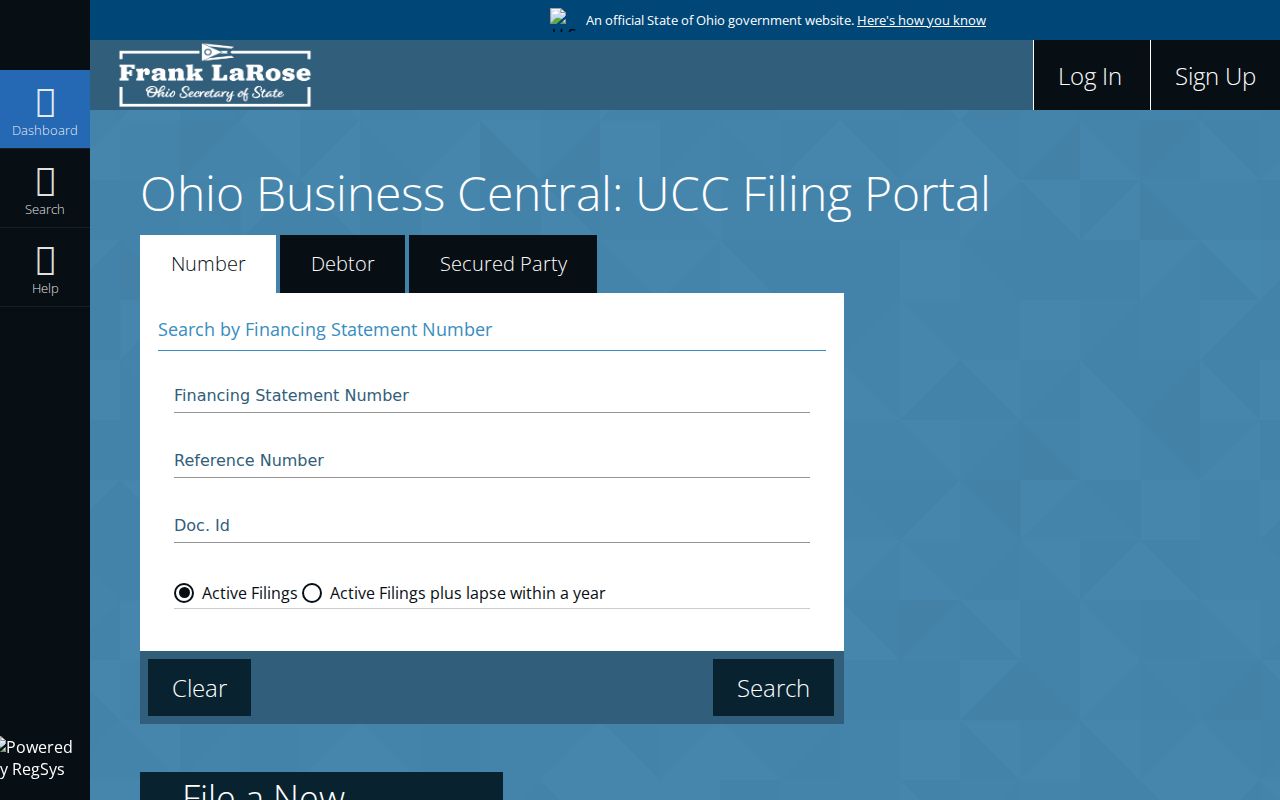
A business filing may identify an entity record, but it is not proof that a person lives near a Marion address.
Marion Block Privacy Boundaries
Several kinds of information do not belong in a neighbor lookup: renter and household composition, utility and delivery records, protected voter addresses, Safe at Home address or contact information, protected-worker redactions, BMV personal data, juvenile and family-court content, and nonpublic permit or application information. Ohio Safe at Home, authorized by R.C. 111.41-.47, uses a substitute address for eligible participants. Protected voter and public-service-worker rules also limit disclosure.
The Federal Bureau of Prisons inmate locator is a federal locator, not a source for nearby residents or household composition.
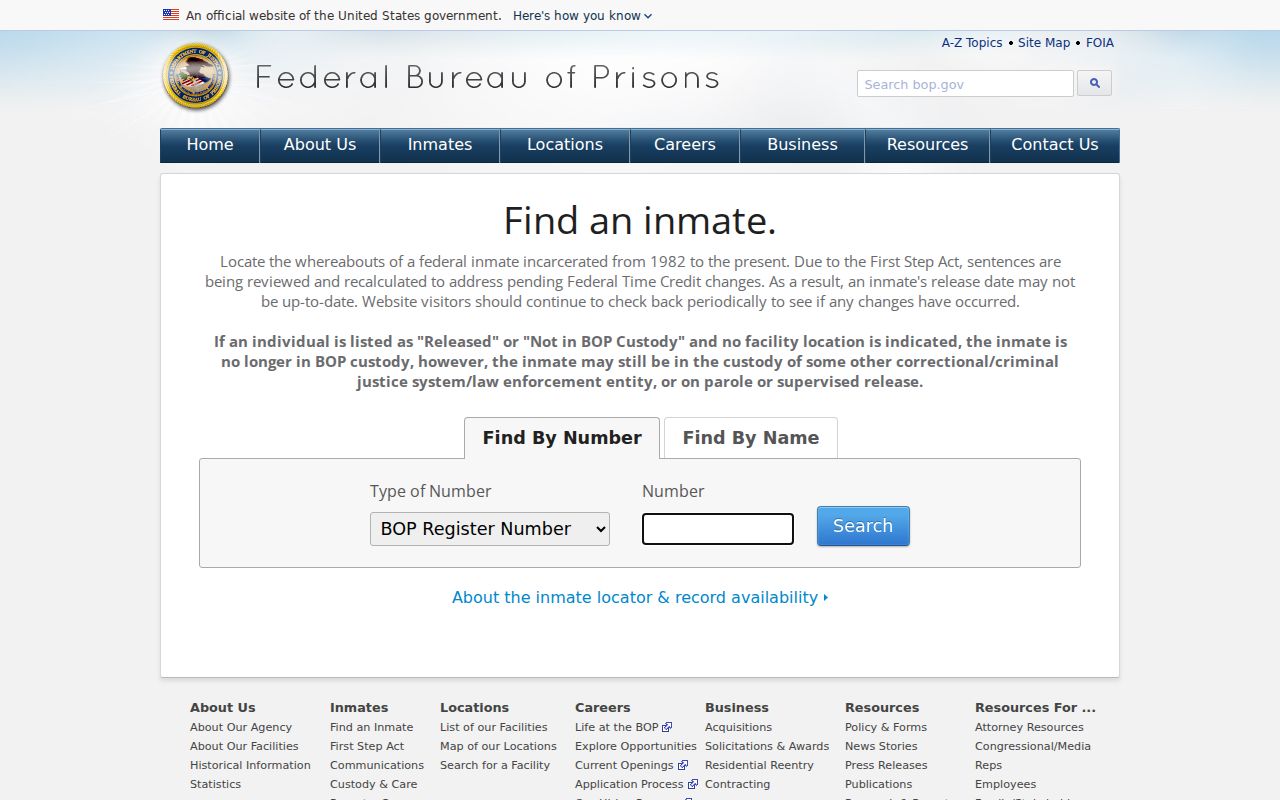
A federal locator result cannot establish who lives around a Marion address, so it should not be used to build a block profile.